15 WAYS TO BOND WITH YOUR CHILD.
As parents, it’s part of our responsibility to guide our kids and keep them moving through the daily routine. All too often, that means setting limits, correcting behavior, denying requests.
However, we’re able to be emotionally generous, so our child doesn’t perceive our guidance as “negative.” More often, kids give us the benefit of doubt because all the other loving, affirming interactions create a positive balance in our relationship account. That’s why creating those positive interactions with your child matters so much.
Previous research shows that we need more positive interactions than negative interaction to maintain a healthy and a happy relationship in day to day life.
When we’re short on positive interactions, our relationship tends to loose balance. As with any bank account, we’re overdrawn. That’s when kids resist our guidance and develop attitude, whether they’re two or more.
But there are lots of simple ways to bond with your child and you’re likely already engaging with your child in some of these activities.
1. Nature

Stress is often a huge barrier to parents engaging with their children. Spending time with your child out in nature will go a long way to increase emotional health and physical well-being for both parties.
Research shows that exposure to nature reduces our blood pressure, heart rate, muscle tension, as well as the production of stress hormones. Even if you don’t have time to go for a hike, simply water a plant together. These studies show similar effects can be derived from even small amounts of nature.
2. Reading

Reading with children is a simple way to improve their language and reading skills. But research also shows that reading with children actually stimulates patterns of brain development responsible for connection and bonding.
This makes sense when we consider that story time usually involves cuddling, eye contact, and shared emotion. If you make reading together a priority in your home, you are already taking advantage of an amazing way to bond with your child.
3. Music
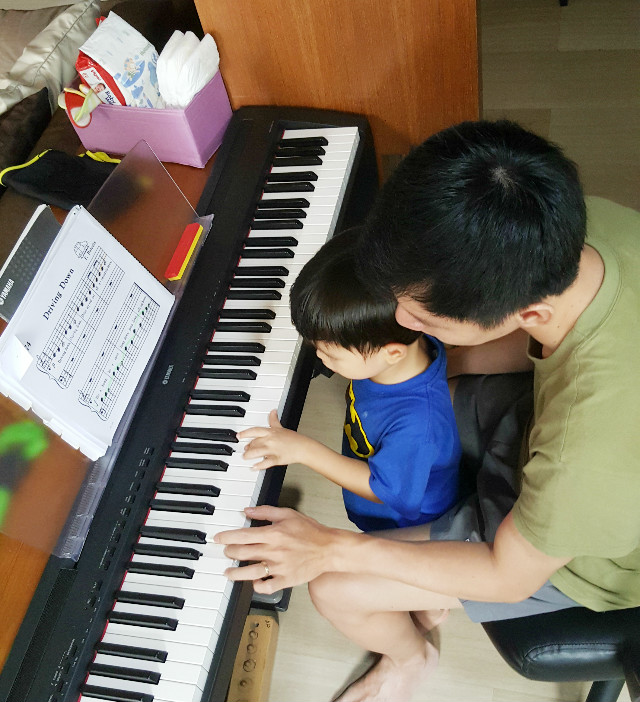
Whether listening to them play an instrument or dancing to the “Trolls” soundtrack together, music offers lots of benefits for both parent and child, including bringing our awareness into our bodies and into the current moment. Your kids will be practicingmindfulness without even knowing it.
4. Play

Play is the language of children, so it only makes sense that we should try to connect with them through something that comes so naturally. When parents enter their child’s world and follow their lead in play, they open up the possibility for many positive outcomes, including taking on a different relationship role and seeing our children from a new perspective.
Engaging in play together also gives our child the chance to view us as an ally and not as an opponent breathing down their neck all the time. Research has consistently shown that playing with children decreases attention-seeking behaviors and separation anxiety by fulfilling their emotional needs.
5. Cooking

Family mealtimes tend to be stressful. This is usually caused by trying to remove children from the scene of meal preparation. This automatically prompts our children to persist in their crusade toward the kitchen.
Research has shown that involving children in meal preparation helps foster family bonding and togetherness and even reduces behavior problems. Although having kids in the kitchen may be a bit more time consuming and a bit less convenient, the positive effects are totally worth it.
6. Listening

Listening maybe be considered as not being an activity. But I would argue that approaching it as one will do wonders for your relationship with your child. Caught up in the daily current of work and responsibility, it can be challenging to truly listen to our children in a way that is beneficial.
To listen well, we need to be putting specific skills into practice such as setting aside all other distractions and cultivating genuine interest. By doing this in combination with active listening, sustained eye contact and reflecting back what we hear, we’re on our way to the connection world.
7. Physical Touch

Research as shown that humans are able to identify specific emotions of love, gratitude, and compassion through blind touch. Thus it’s easy to see how touch plays a major role in forming strong connections between parent and child.
When done in a respectful way to both the child and parent, touch has been proven to be a helpful intervention. If your child happens to be struggling with emotions or has emotional or behavioral challenges, cue the piggyback rides and living room wrestling many of us did it while growing.
8. Board Games
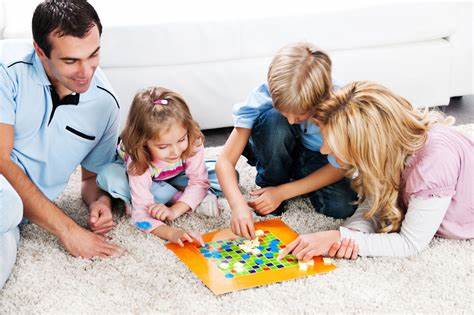
Kids like games, and this is one of them (although some don’t know what they are). The reciprocal nature of the interactions involved offer a lot of benefits to the parent-child relationship. The give-and-take nature of board games mimics the back and forth rhythm of a conversation, hence making it a natural context for children to share what’s on their minds.
Board games also give opportunities to work through challenging emotions, giving parents a perfect opportunity to reflect these feelings back and assist kids in finding appropriate ways to express their frustrations.
9. Art
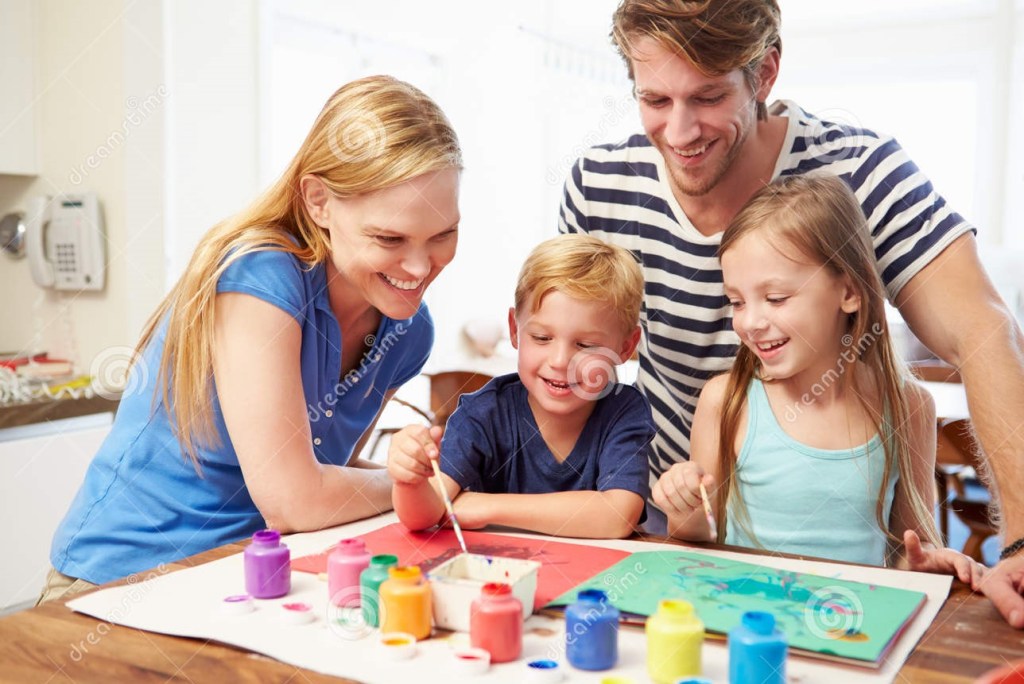
Getting involved in art or craft activities with children is the best way to provide not only a fun and enjoyable experience, but also a therapeutic one as well. No matter their age, you’ll hardly find a child who can’t find an art medium that interests him.
Once we engage in a creative process with children, we provide a platform for them to express their thoughts and feelings. This works well especially with younger children, who aren’t yet able to verbalize their complex emotions.
10. Empathize
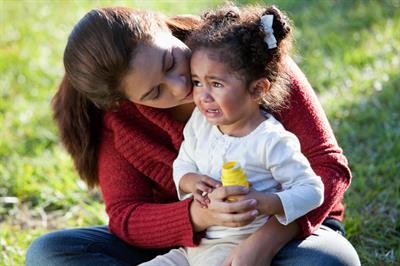
No matter what your child says, empathize. Actions may need to be limited but when it comes to emotions all are acceptable. When you acknowledge how your child feels, you perfectly strengthen your connection and also build emotional intelligence.
11. Turn off Technology when you Interact

By doing this, your child will remember that for the rest of her life that she was important enough to her parents that they put off their phones only to pay attention to them. Even turning off music in the car or when at home can be a powerful invitation to bond.
12. Connect Before Transitions
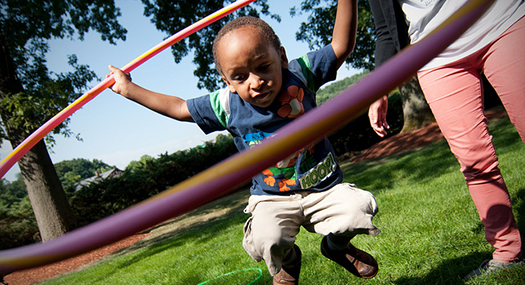
Yes, kids have a hard time transitioning from one thing to another. They need us to guide them through those moments when they don’t want to give up what they are doing to move onto something we want them to do. If you give him eye contact, use his name, connect together and then get him giggling, you’ll have given him a bridge to manage through a tough transition.
13. Slow Down and Savor the Moment

Instead of rushing your child through the tight schedule, you can spend a few minutes with him before bed, you can also use every interaction all day long as an opportunity to bond. Slow down and share the moment with your child, example when you helping him wash his hands, do it together and share the cool rush of water, Give him a chance to smell the strawberries before you use them to prepare the smoothie, Listen to his laugher, Smell his hair. By doing such simple stuff, you will have got a perfect chance to bond.
14. Bedtime Snuggle and Chat

Always set your child’s bedtime a bit early with the assumption that you’ll spend some time visiting and snuggling in the dark. Those sweet, companionable, safe moments of connection invite whatever your child is going through to open up. Whether it’s something which happened at school or her worries about the next day, do you have to resolve the problem right then? Not really. Just listen. Acknowledge feelings. Reassure your kid that you hear her concern and that together you’ll find a solution the next day. Be sure to make a follow up the following day. You’ll be amazed on how the relationship with your child deepens. Continue with this habit up as your child gets older given late night is mostly the time teens open up.
15. Show Up
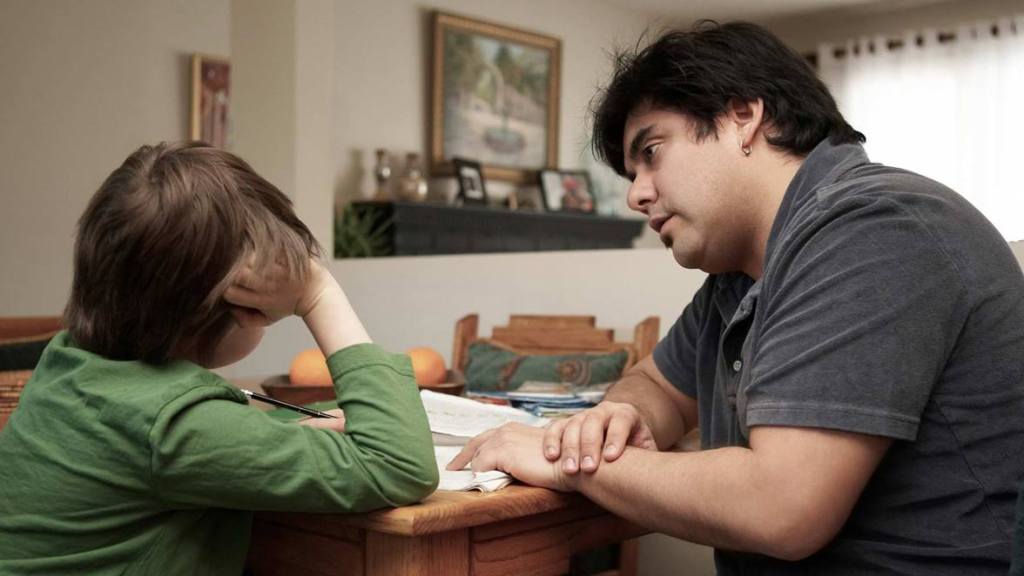
Did you know your child has only about 900 weeks of childhood with you before he leaves your home? He will be gone before you know it.Thus try this as a practice. When you’re interacting with your child show up 100%. Be right here, right now and let everything else aside. You won’t be able to pull this off all the time, but if you try to make it a habit, you’ll find yourself shifting into presence more often. Hence you’ll find a lot more moments that make your heart melt.
 Top Parenting Toolbox.com